

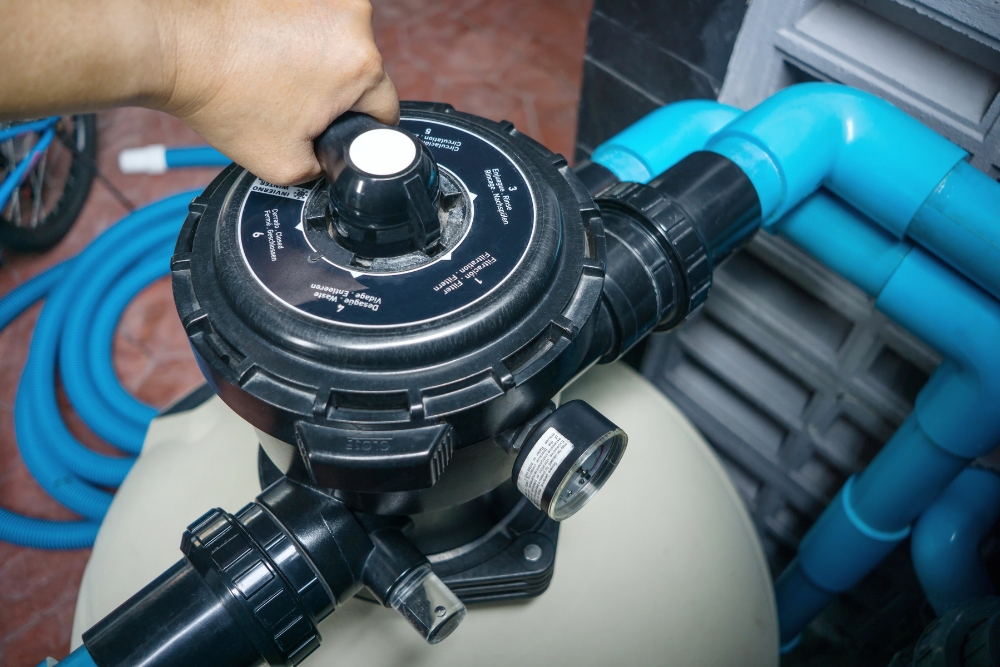
In today’s sustainability-conscious environment, the technology behind pool systems is rapidly evolving. One major advancement is the shift towards energy-efficient pool pumps, which play a vital role in cutting energy usage, reducing greenhouse gas emissions, and improving long-term operational performance. For both residential and commercial pool owners, the transition to an energy-efficient pool pump isn’t just an eco-friendly move — it’s a smart one.
What Makes a Pool Pump “Energy-Efficient”?
Energy-efficient pool pumps are designed with superior motor technology, flow control, and hydraulic performance compared to traditional models. They are typically equipped with variable-speed motors, such as permanent magnet motors, which adjust speed based on need — unlike single-speed pumps that run at maximum power continuously.
Key attributes of an energy-efficient pool pump include:
- Variable-speed control for tailored circulation
- ENERGY STAR certification indicating superior energy performance
- Advanced hydraulic design that reduces turbulence
- Programmable timers and smart automation
- Quieter operation at lower speeds
- Durability-enhanced design for longer life
These pumps optimise pool water turnover rate with minimal power consumption, ultimately reducing load on the electricity grid and lowering emissions.
Why Do Traditional Pool Pumps Consume So Much Energy?
Older, single-speed pumps operate at full power regardless of the task. Whether you’re filtering, heating, or circulating water, the motor runs at a single speed — typically higher than necessary for basic functions like filtration. This leads to:
- Excessive energy use
- Increased wear on components
- High operational costs
- Unnecessary carbon output
Modern dual-speed and variable-speed pumps solve this problem by adapting output to the actual task, drastically lowering energy use without compromising performance.
How Can You Tell If a Pool Pump Is Right-Sized?
Pump efficiency is also influenced by proper sizing and installation. A pump that is too large for your pool wastes energy; one too small may struggle to circulate water effectively. Important sizing considerations include:
- Pool volume (litres)
- Flow rate (litres/min) required for turnover
- Total Dynamic Head (TDH) accounting for pipe length, bends, and vertical lift
- Filtration system compatibility
Proper sizing ensures optimal pump operation without overloading the motor, thereby extending its life and improving energy savings.
What Are the Benefits of Using an Energy-Efficient Pool Pump?
Energy-efficient pool pumps offer a range of operational, environmental, and usability benefits:
- Up to 75–90% less energy consumption
- Reduced carbon emissions
- Extended equipment lifespan
- Improved water clarity due to continuous low-speed circulation
- Smart automation for tailored schedules
- Quieter operation at lower speeds
These advantages combine to deliver a high-performing, sustainable, and user-friendly experience.
What Are the Common Types of Pool Pumps Available?
Choosing the right type of pump depends on your usage pattern and energy goals. Here’s a breakdown of pump types:
| Pump Type | Energy Efficiency | Noise Level | Control Capability | Speed Options |
| Single-Speed | Low | Loud | Manual on/off | One speed only |
| Dual-Speed | Moderate (~50%) | Quieter | Manual switch or timer | Low/High |
| Variable-Speed | High (up to 90%) | Very quiet | Fully programmable system | Multiple speeds |
Variable-speed pumps stand out as the most efficient, offering flexible control over flow rates and dramatically reducing energy usage.
What Strategies Maximise Energy Savings with Pool Pumps?
Even the best pump must be used effectively to achieve maximum efficiency. Here are proven strategies:
- Install programmable timers to align operation with off-peak energy times
- Optimise pipework to reduce hydraulic resistance (short runs, fewer elbows)
- Use larger-diameter piping to enhance flow
- Keep filters clean and backwash regularly
- Schedule routine servicing to keep equipment in top condition
- Position the pump in shaded, ventilated areas to prevent overheating
Regular maintenance and smart usage are just as important as the pump itself in reducing energy and emissions.
How Do Energy-Efficient Pumps Help the Environment?
Every kilowatt-hour (kWh) saved by a variable-speed pump prevents unnecessary carbon emissions. With traditional pool pumps using up to 3,000 kWh annually, switching to a modern system can cut this to under 1,000 kWh. Over the course of a year, this prevents hundreds of kilograms of CO₂ from entering the atmosphere.
Environmentally positive outcomes include:
- Lower demand on fossil-fuel-based electricity generation
- Contribution to national sustainability goals
- Support for greener community infrastructure
- Compliance with environmental regulations
What Does an Energy Saving Comparison Look Like?
Below is a table showing how downsizing and smart operation can drastically reduce energy use:
| Strategy | Annual Energy Use (kWh) | Estimated Reduction |
| Original pump | ~3,000 | – |
| Smaller pump | ~1,800 | ~40% |
| Reduced runtime (60%) | ~1,200 | ~60% |
| Downsizing + runtime reduction | ~720 | ~75% |
These reductions are not just numbers — they represent real-world impacts on operational efficiency and environmental responsibility.
Why Should You Choose a Specialist for Supply and Installation?
While equipment selection is key, installation quality plays a crucial role in achieving energy savings. Choosing a qualified professional ensures:
- Correct sizing and setup
- Leak-proof connections
- Electrical compliance
- Integration with automation systems
- Warranty protection through accredited installation
Why Partner with Enviro Pump Services?
For businesses and property owners seeking long-term savings, seamless integration, and regulatory compliance, Enviro Pump Services offers a complete, trusted solution. With a reputation for excellence across industrial, municipal, and commercial sectors, the team provides:
- Tailored pump solutions based on operational demands
- Expert supply, installation, and commissioning
- Ongoing maintenance plans to protect your investment
- Diagnostic tools to troubleshoot inefficiencies
- Certified professionals who meet environmental and safety standards
Whether you’re upgrading a residential pool or managing a large-scale facility, Enviro Pump Services brings industry insight, cutting-edge equipment, and service excellence to every project. If you’re ready to reduce emissions, increase system reliability, and futureproof your infrastructure — Enviro Pump Services is the team to trust.
References
- Australian Government – Department of Climate Change, Energy, the Environment and Water
- Energy Efficient Swimming Pool Pump Guide – Energy.gov.au
- Clean Energy Council – Australia
- Energy Efficiency for Swimming Pools – Sustainability Victoria
Frequently Asked Questions (FAQs)
1. How much energy can I save with a variable-speed pump?
Variable-speed pumps can use up to 90% less energy than traditional single-speed pumps, depending on usage patterns and system optimisation.
2. Is it worth replacing a working single-speed pump?
Yes. Even if the pump is functional, replacing it with an energy-efficient model can offer significant savings and lower environmental impact over time.
3. How long does an energy-efficient pool pump last?
With proper maintenance and professional installation, high-efficiency pumps typically last longer than traditional models due to reduced motor wear.
4. Will I need to upgrade my plumbing system?
Not always. However, reducing pipe resistance and installing correctly sized pipes can enhance the efficiency gains of your new pump.
5. Are energy-efficient pool pumps suitable for commercial properties?
Absolutely. Energy-efficient pumps are ideal for high-usage settings such as aquatic centres, hotels, or apartment blocks — helping manage energy costs and compliance.
6. Can I connect my pump to smart home systems?
Yes. Many energy-efficient pool pumps are compatible with smart systems, allowing you to program schedules, monitor usage, and control operations remotely.